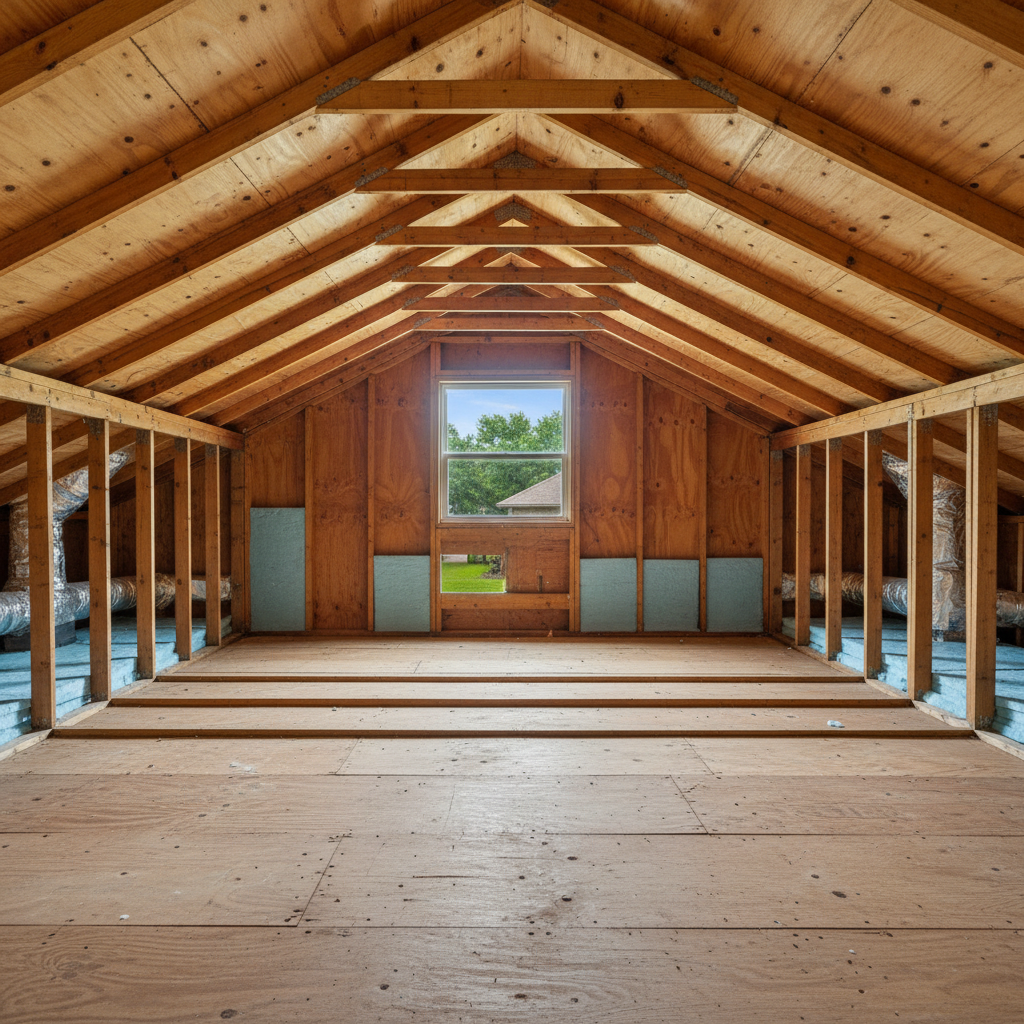
So, you're thinking about new insulation, huh? That's a smart move for your energy bills and overall comfort. But sometimes, before you can put in the good stuff, you've gotta get rid of the old. That's where insulation removal comes in, and folks often ask me, "What's this going to cost me?"
It's not a simple, one-size-fits-all answer, but I can give you some real numbers and tell you what goes into the price tag here in Forney. We're talking about a job that can run anywhere from a few hundred bucks to a couple thousand, sometimes more, depending on a few key things.
What Makes Insulation Removal Cost What It Does?
When I'm putting together a quote for a homeowner, I'm looking at several factors. It's not just about how much insulation there is, you know? It's also about what kind it is, where it's located, and what condition it's in.
Type of Insulation: Different materials need different approaches. Loose-fill fiberglass or cellulose, which you see a lot in older homes around Forney, is usually the easiest to vacuum out. Batts are a bit more labor-intensive to pull by hand. Vermiculite, though — that can contain asbestos. That's a whole different ballgame and requires specialized handling and disposal, which really drives costs up. Spray foam, once it's cured, is tough to remove and often needs to be scraped or cut out; that's a slower, more manual process.
Amount and Depth: This one's pretty obvious, right? More insulation means more time and more material to bag and haul away. If your attic has a foot of old cellulose versus just a few inches, that's definitely going to impact the price.
Accessibility: This is a big one. Can we easily get into your attic? Can our crew stand up, or are we crawling on our bellies? A low-pitch roof or a tight crawl space under a pier-and-beam foundation (like you'd find in some of the older homes near downtown Forney) makes the job harder, slower, and therefore more expensive. If we have to navigate around a bunch of ductwork, old storage boxes, or even Christmas decorations, that adds time too.
Contamination: This is probably the biggest cost driver. If your insulation is full of rodent droppings, mold, or has been soaked by a leaky roof, it's not just insulation anymore; it's a biohazard. This means we need specialized equipment, our crew wears full PPE, and we often have to decontaminate and sanitize the area after removal. This isn't just about getting the insulation out; it's about making your space safe again. For major contamination, costs could easily double or even triple compared to a clean removal.
Disposal Fees: We don't just dump it in your trash can. All that old insulation has to go to a proper waste facility, and those places charge by weight or volume. These fees are part of your overall cost.
Typical Cost Ranges for Forney Homeowners
Alright, let's get down to some numbers. Keep in mind these are averages for a typical Forney home, and your specific situation might vary.
Clean, Loose-Fill (Fiberglass/Cellulose) Removal: For a standard 1,500-2,000 sq ft attic with 6-12 inches of loose-fill, you're generally looking at $1,200 - $2,500. This includes vacuuming it all out, bagging it, and hauling it away.
Batt Insulation Removal: If you've got old fiberglass or mineral wool batts, removal for the same size attic might be a bit less, around $1,000 - $2,000. It's often quicker to pull out by hand than setting up a vacuum system, assuming good access.
Contaminated Insulation Removal (Rodents/Mold): This is where it really jumps. For that same 1,500-2,000 sq ft attic, if we're dealing with significant animal infestation or mold, expect to pay anywhere from $2,500 to $5,000+. This includes the removal, sanitization, and often sealing entry points for pests.
Spray Foam Removal: This is the most labor-intensive. For a 1,500 sq ft area, you could be looking at $3,000 - $6,000+, depending on the thickness and how well it's adhered. It's truly a tough job.
Vermiculite (Asbestos Suspect): If we suspect vermiculite, we'll recommend testing first. If it tests positive for asbestos, you absolutely need a certified asbestos abatement company. Their costs are significantly higher, often starting at $5,000 and going way up, because of the strict safety protocols and specialized disposal.
What's Included in a Quote from Guardian Insulation Solutions?
When you get a quote from us, it's going to be comprehensive. We don't like surprises, and I'm sure you don't either. Our quotes typically include:
A thorough inspection of your attic or crawl space to assess the type, amount, and condition of the existing insulation.
The labor involved in setting up the equipment, removing the insulation, and cleaning up the work area.
All necessary equipment, like powerful vacuums, hoses, and protective gear for our crew.
Disposal bags and materials to safely contain the old insulation.
Transportation and disposal fees at an approved waste facility.
For contaminated jobs, it'll also include the sanitization and deodorization steps.
How to Avoid Overpaying for Insulation Removal
You want a fair price, and I get that. Here's my advice:
Get Multiple Quotes: Don't just go with the first company you call. Get at least two or three detailed quotes. Make sure they're comparing apples to apples – what exactly is included in each bid?
Ask for a Detailed Breakdown: A good quote won't just be a single number. It'll show you what they're charging for labor, disposal, equipment, and any special services like sanitization. If it's just a lump sum, push for more detail.
Understand the Scope: Make sure you and the contractor are on the same page about what's being removed and from where. Are they removing all the old insulation, or just the top layer? Is the crawl space included?
Check for Licenses and Insurance: This is huge. You don't want someone uninsured working in your home, especially with a job like this. Ask for proof of liability insurance and workers' comp. For asbestos, verify their abatement certifications.
Beware of Super Low Bids: If one quote is drastically lower than the others, be suspicious. They might be cutting corners, not disposing of materials properly, or planning to hit you with hidden fees later.
Insulation removal isn't the most glamorous part of home improvement, but it's often a crucial first step to getting a more energy-efficient and healthier home. Do your homework, ask the right questions, and you'll get a fair deal for a job well done.