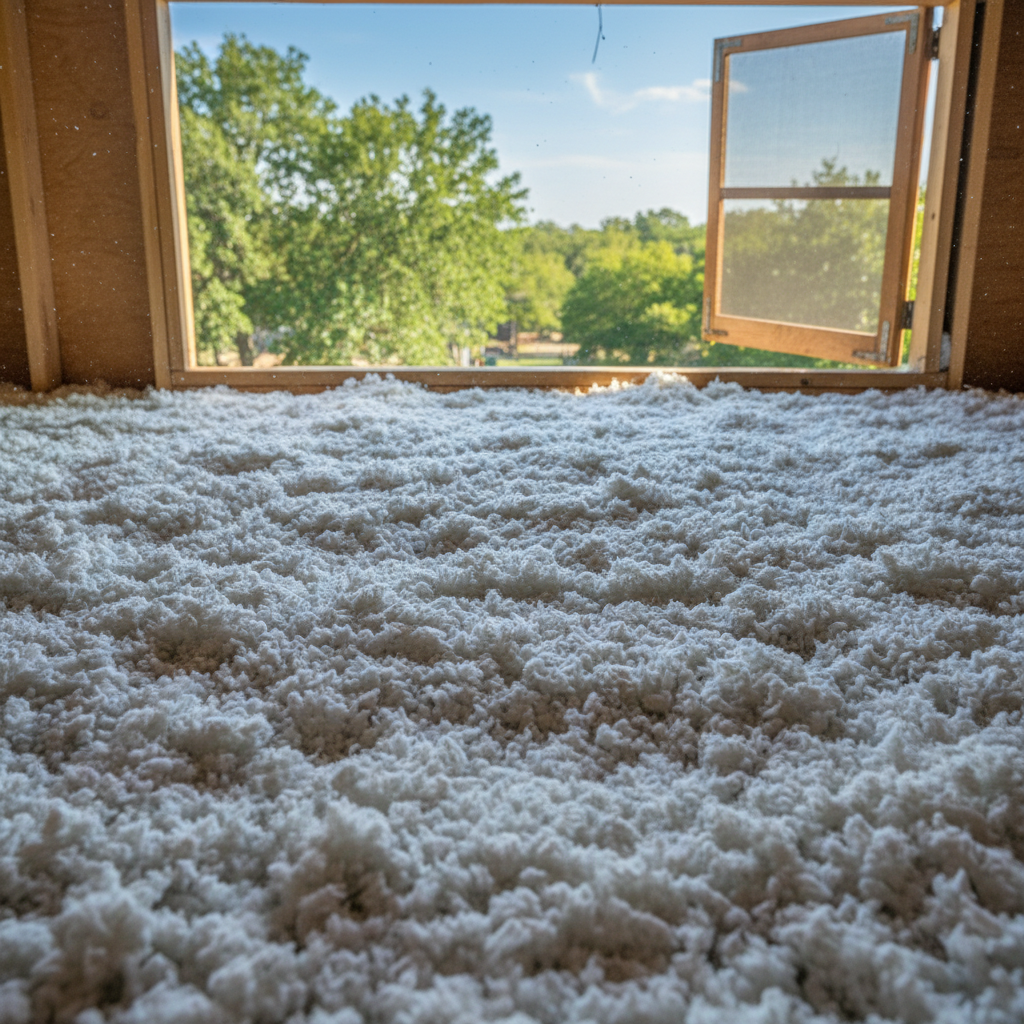
Do I really need more insulation if my attic already has some?
This is probably the most common question I get asked, and the quick answer is: probably. Most homes built even 10 or 15 years ago, especially some of those older places out near Clements High School, just don't have enough insulation by today's standards. Building codes have gotten a lot stricter as we've learned more about energy efficiency, and for good reason, too. What might have been considered 'enough' back then is often nowhere near what you need to keep your home comfortable and your energy bills down now. I've been in attics all over Forney, from the newer developments to the older, established neighborhoods, and I can tell you, a lot of them are under-insulated. It's not just about having some insulation; it's about having the right amount and the right type.
What's this 'R-value' everyone talks about, and what R-value do I need in Forney?
R-value is just a fancy way to measure how well insulation stops heat from moving. The higher the R-value, the better it insulates. Think of it like a blanket, you know? A thicker, denser blanket keeps you warmer, right? Same idea here. For our climate in Forney, the Department of Energy suggests an R-value of R-38 to R-60 for attics. Now, that's a pretty big range, and what's right for your specific home depends on a few things: what you've already got up there, your budget, and how much you want to save on those energy bills. Most homes I see around here are lucky to hit R-19 or R-22, which just isn't enough when we're dealing with those brutal Texas summers and surprisingly chilly winters. Getting closer to that R-38 to R-49 range is usually the sweet spot for most folks, giving you a good return on your investment without going overboard.
How long does attic insulation actually last?
That depends a lot on the type of insulation and how well it was put in. Fiberglass batts, if they stay dry and undisturbed, can last for decades — sometimes 50-80 years. Blown-in fiberglass or cellulose can also have a very long lifespan, often 30-50 years or more, again, assuming they don't get wet or squashed down. The big enemies of insulation are moisture, pests, and compression. If you've had a leaky roof, or if squirrels have made a home up there, or if someone's been trampling all over it, then its effective lifespan drops significantly. Spray foam, once it's cured, is incredibly tough and can last the lifetime of your home. The key is maintenance and keeping an eye out for problems. If your insulation looks matted down, wet, or full of critter droppings, it's probably not doing its job anymore, no matter how old it is.
Will new insulation really save me money on my energy bills?
Absolutely, it will. This isn't just marketing talk; it's a fact. Your attic is a huge gateway for heat transfer. In the summer, all that scorching Texas sun beats down on your roof, turning your attic into an oven. Without proper insulation, that heat radiates right down into your living space, making your AC work overtime. In the winter, the heat you're paying to generate inside your home escapes through an under-insulated attic. I've seen homeowners in Forney cut their heating and cooling costs by 15-30% after upgrading their attic insulation. It's one of the most cost-effective home improvements you can make, and it pays for itself over time. Plus, you'll feel a noticeable difference in comfort; no more rooms that are always too hot or too cold.
What about attic ventilation? Does that matter with new insulation?
You bet it does! Insulation and ventilation go hand-in-hand. Think of your attic as a system. Insulation keeps the heat out (or in), but ventilation helps move air through the attic space, preventing moisture buildup and further reducing heat. Here in Forney, with our high humidity and intense heat, proper attic ventilation is critical. It helps keep your attic cooler in the summer, which makes your insulation more effective and extends the life of your roof. It also helps prevent moisture accumulation in the winter, which can lead to mold and mildew. If you just pile on insulation without addressing ventilation, you could be creating other problems. We always check your existing ventilation when we're looking at insulation upgrades. Sometimes, adding more insulation means we also need to make sure your soffit and ridge vents are clear and working correctly.
Can I just add more insulation on top of what's already there?
In most cases, yes, you can. This is often the easiest and most cost-effective way to boost your R-value. We call it